Crochet Baby Shoes Free Pattern: Sizes 0 to 12 Months
No paediatric authority publishes an average infant foot length by age. Every chart in circulation traces back to a shoe manufacturer, and the most reproduced soft sole chart prints inches and centimetres that disagree in every row. This crochet baby shoes free pattern starts from measurements that are actually sourced.
That matters more in crochet than in a shoe shop. A shoe shop hands you the next size up. A sole is fixed the moment you count your chain, and at this gauge the difference between a three month foot and a six month foot is under three stitches. Below are the published numbers with their sources, the arithmetic behind them, and a crochet baby shoes free pattern for newborn through twelve months.
On stitch names: crochet has two naming conventions, and the tall basic stitch called double crochet here is called treble in the other.
Specification for this crochet baby shoes free pattern
| Sizes | Newborn, 3, 6, 9 and 12 months |
| Yarn | Mercerised cotton, 4 ply, two colours |
| Quantity | Two 50 g balls at 125 m each, so 250 m per pair (about 273 yd, converted) |
| Hook | 2.5 mm or 3 mm, or whatever gives you the gauge |
| Gauge | 26 double crochet and 13 rows to 10 cm (4 in) |
| Also needed | Yarn needle, scissors, tape measure, 4 mm cord or ribbon |
On this page
- How big is a baby’s foot, month by month
- Yarn for a crochet baby shoes free pattern
- The hook, and which gauge number matters
- How gauge turns into a sole that fits
- The five parts of a crochet baby shoe
- Where crochet baby shoes go wrong
- Are crochet baby shoes safe for a baby
- The crochet baby shoes free pattern
- Questions people ask
- Where to go next
- Sources
How big is a baby’s foot, month by month
Nobody with medical authority has published this. The literature measures newborn feet only, as a screening proxy for gestational age. One study of 529 term newborns recorded a mean of 7.8 cm, standard deviation 0.4 cm. Everything past that comes from footwear companies, and any crochet baby shoes free pattern that quotes an age chart is quoting them.
| Age | As published | Converted | Source |
|---|---|---|---|
| Newborn | 7.8 cm | 3.07 in | Research, n=529 |
| 3 months | 3 9/16 in | 9.05 cm | Footwear maker |
| 6 months | 3 15/16 in | 10.00 cm | Footwear maker |
| 9 months | 4 4/16 in | 10.80 cm | Footwear maker |
| 12 months | 4 9/16 in | 11.59 cm | Footwear maker |
The chart that disagrees with itself
One soft sole chart, reproduced across craft sites for years, prints an inch figure and a centimetre figure as if they were the same length. Its size 1 row reads 4 in and 9.8 cm, but four inches is 10.16 cm. Its size 2 row reads 4 7/8 in and 11.4 cm, where 4.875 in is 12.38 cm.
Across the four rows the centimetre column runs 3.5 to 7.9 percent short of its own inch column, a gap reaching 0.98 cm. Work a crochet baby shoes free pattern to that column and your sole comes out up to a centimetre small. On a foot under 12 cm that is not a rounding error.
The measured foot beats every chart. Stand the baby on paper, mark heel and longest toe, measure between the marks, add 0.5 cm of room.
Yarn for a crochet baby shoes free pattern
Mercerised cotton in 4 ply is the standard choice, for practical reasons. Mercerising treats the fibre so it takes dye deeply and holds a smooth finish, keeping stitch definition crisp on a piece this small. Cotton also survives the repeated hot washing anything on a baby’s foot will get.
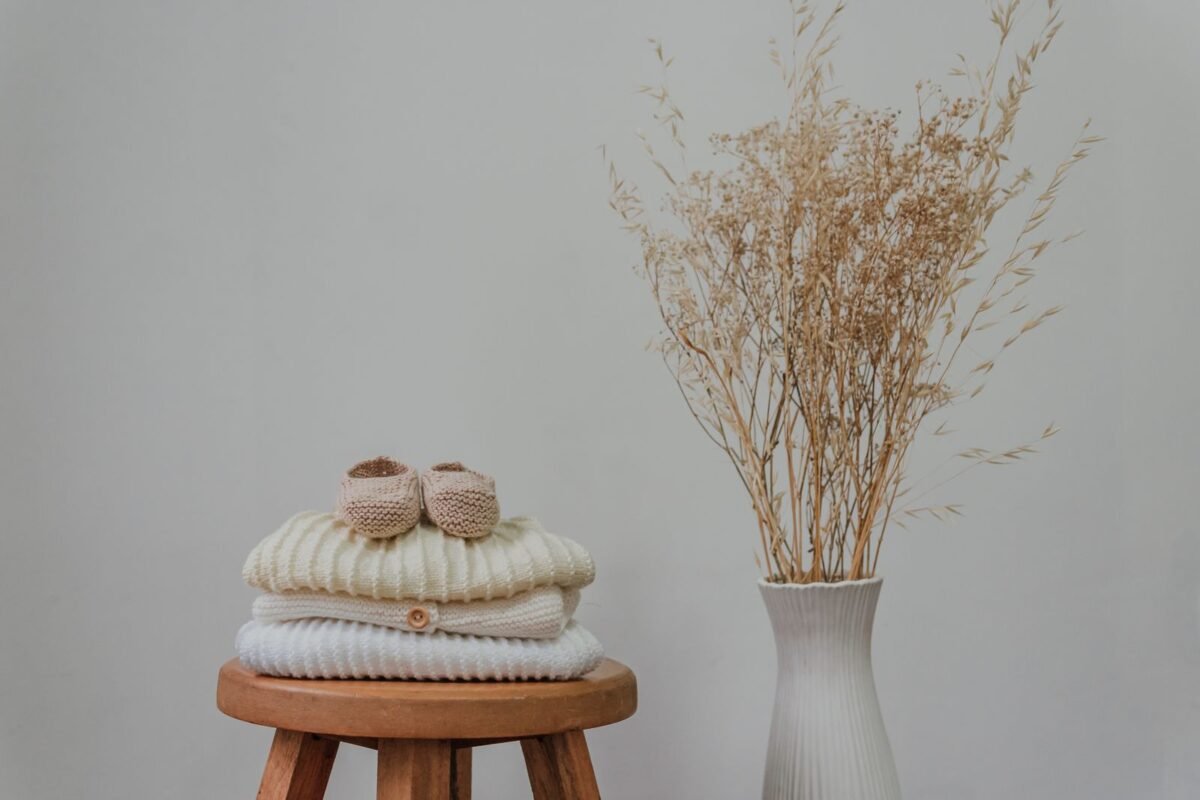
Two mercerised cottons print the same specification: 50 g balls of 125 m. One carries EN71-3 certification, the safety of toys standard, worth looking for on anything an infant will chew. A sourcing note: both makers publish metres only, so every yardage quoted for them comes from resellers. Convert it yourself, 125 m is 136.7 yd, and two balls give 250 m or about 273 yd.
Acrylic works in this crochet baby shoes free pattern and costs less, but it goes shiny under a hot wash and slips against itself, loosening a laced upper over a day. Wool needs a superwash treatment and is a common allergen. For a first pair, cotton is the safe answer.
The hook, and which gauge number matters
Use a 2.5 mm or 3 mm hook as a starting point, not an instruction. Gauge governs fit; the hook is the tool you reach it with. This crochet baby shoes free pattern is built on 26 double crochet and 13 rows to 10 cm.
A trap here catches experienced makers. The Craft Yarn Council publishes two separate gauge ranges per yarn weight, one for knitting and one for crochet, and they are far apart. Category 2 fine yarn is 23 to 26 stitches knit but only 16 to 20 single crochet. Category 3 is 21 to 24 knit against 12 to 17 crochet. Labels usually print the knitting number, because the ball band shows needles. Read it as a crochet target and the sole comes out badly sized.
The Council hook range is 2.25 to 3.5 mm for category 2 and 3.5 to 4.5 mm for category 3, so 2.5 mm on 4 ply cotton sits at the tight end. That is intentional: dense fabric holds a sole shape where loose fabric collapses.
How gauge turns into a sole that fits
Every crochet baby shoes free pattern depends on this step, and it is why a gauge swatch is not optional. At 26 double crochet to 4 inches, each stitch occupies 0.154 in of sole, which is 3.9 mm.
Our figure, calculated from the stated gauge and the published foot lengths, with nothing made or measured: the gap between the 3 month foot at 3 9/16 in and the 6 month foot at 3 15/16 in is 0.375 in, which at this gauge is 2.4 stitches. Miscount three stitches on your chain and you have not made a loose shoe, you have made the next size.
The multiple, and why the chain is the whole decision
A sole is worked in the round around both sides of a chain, so the chain alone sets the finished length while later rounds set only width. As arithmetic: length is roughly the chain in stitches divided by 6.5 per inch, plus the rounded ends the increases add. Swatch 10 cm in double crochet, count what you got rather than what you expected, and adjust the hook before you chain a stitch.
The five parts of a crochet baby shoe
Any crochet baby shoes free pattern with laces is built from five pieces worked in sequence, each joined to the last.
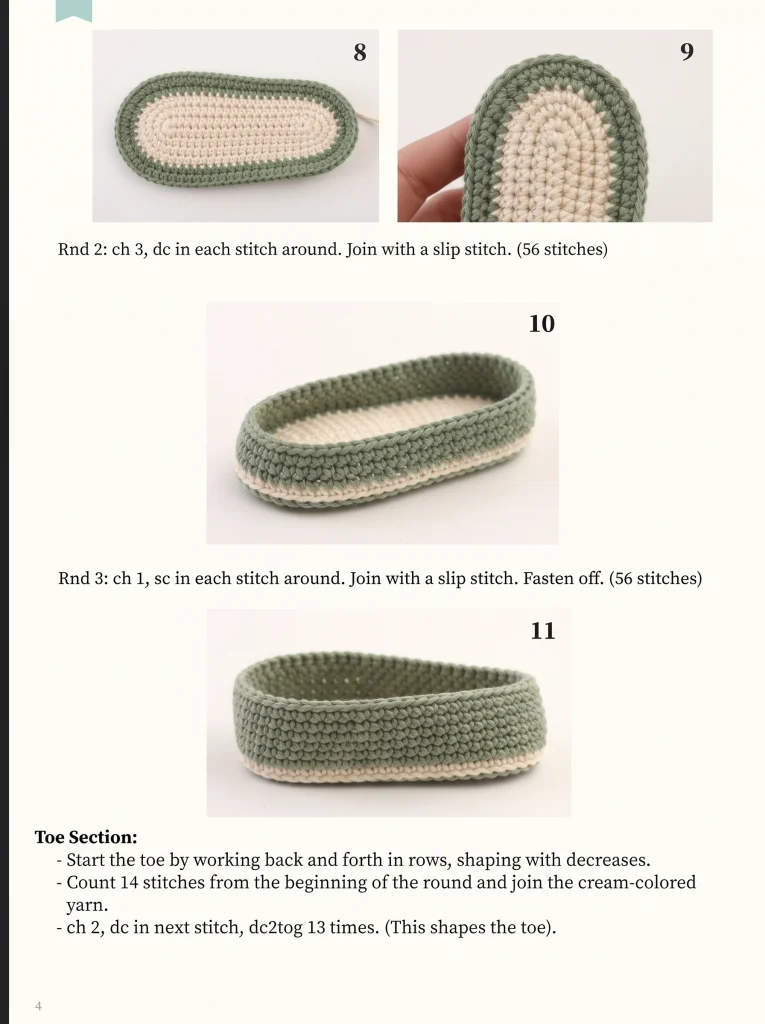
- The sole. Worked in the round around a chain, increases at heel and toe so the oval matches a foot. This sets the size, and nothing after can correct a wrong sole.
- The side. Worked upward into the posts of the sole stitches, not their tops, turning the edge under for a defined seam.
- The toe. Rows across the front, shaped with paired decreases so the opening domes over the toes.
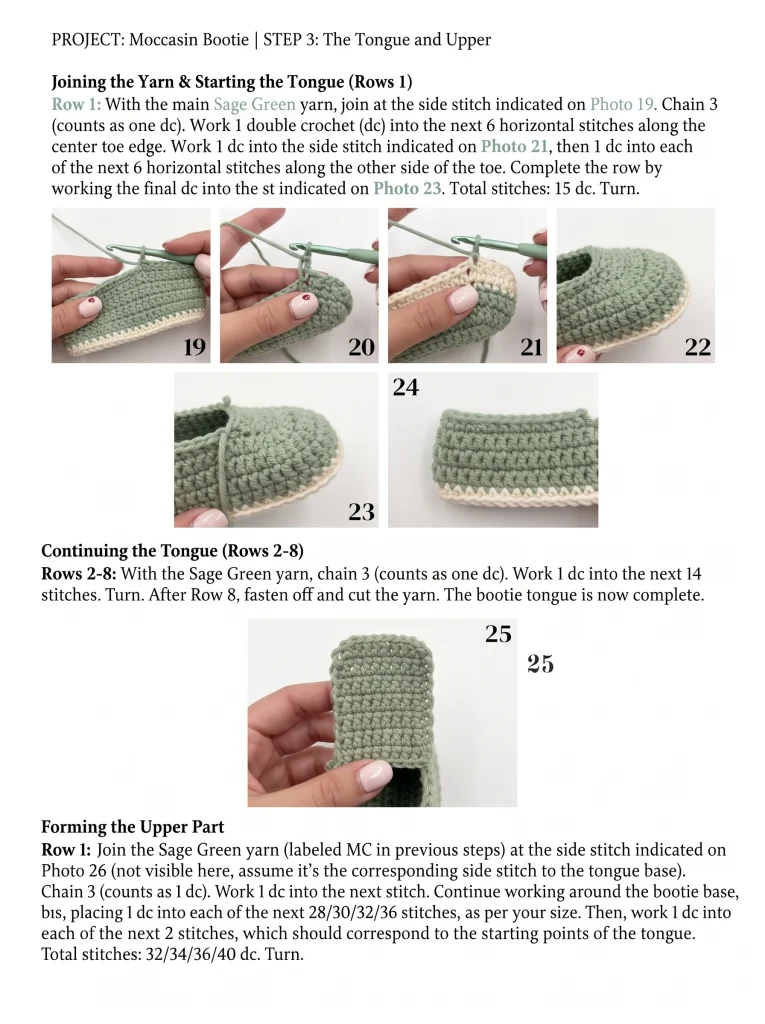
- The tongue. A narrow rectangle under the laces, identical in every size because it covers the instep, not the foot.
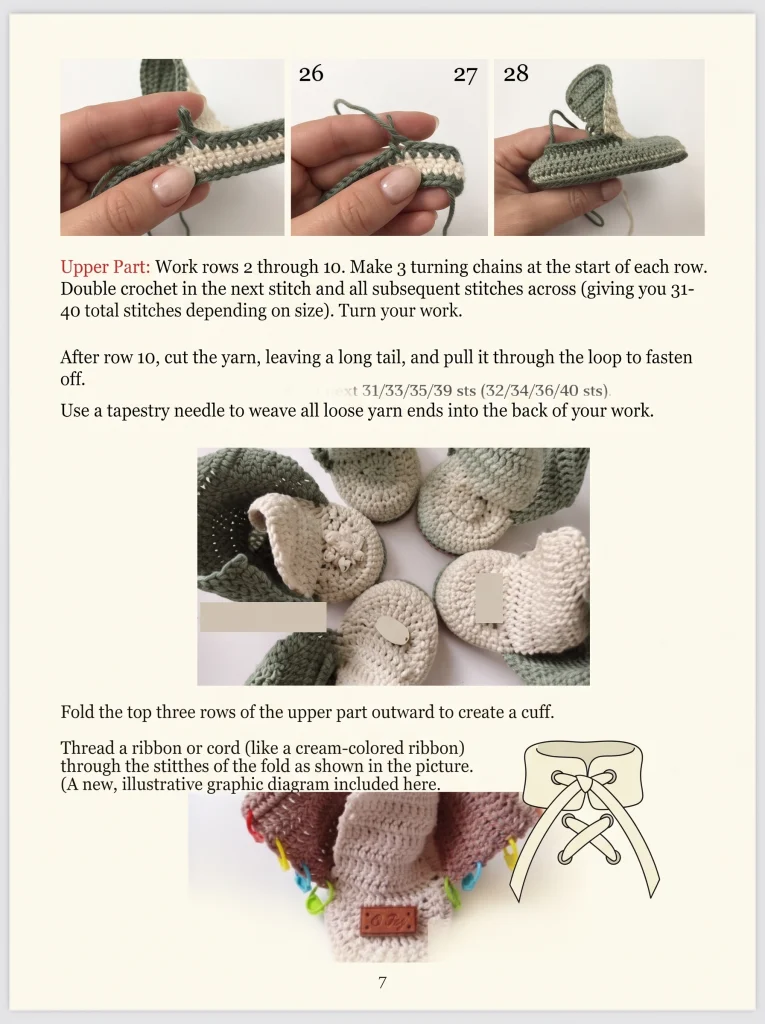
- The upper. Rows around the ankle. The top rows fold into a cuff, and the lace threads through that fold, not eyelets.
The order is not interchangeable in any crochet baby shoes free pattern. Each piece anchors into the one before it.
Where crochet baby shoes go wrong
Two failure modes account for most pairs that never get worn, and both show up early enough to fix. Neither is the fault of the crochet baby shoes free pattern you followed.
The flaring rim
The side flares into a bowl instead of rising straight, so the shoe will not stay on. The cause is working the first round of the side into the tops of the sole stitches, which sit on the widest circumference and keep the growth going outward. Work under the posts and the round pulls in by about a stitch width, giving a wall rather than a funnel.
The gaping heel
The shoe fits but slides off at the back. This is a fabric problem, not a counting one: a loose hook spreads under weight and leaves an ankle with no recovery. For a high instep, add a round or two to the side before shaping the toe, which raises the sides without touching the sole.
Are crochet baby shoes safe for a baby
For a baby not yet walking, a crochet baby shoes free pattern is appropriate precisely because it does not produce a structured shoe. HealthyChildren, the parent guidance site of the paediatric academy, states that babies’ feet develop best unconfined, that socks are enough for warmth, and that shoes are for protection once a child walks outdoors.
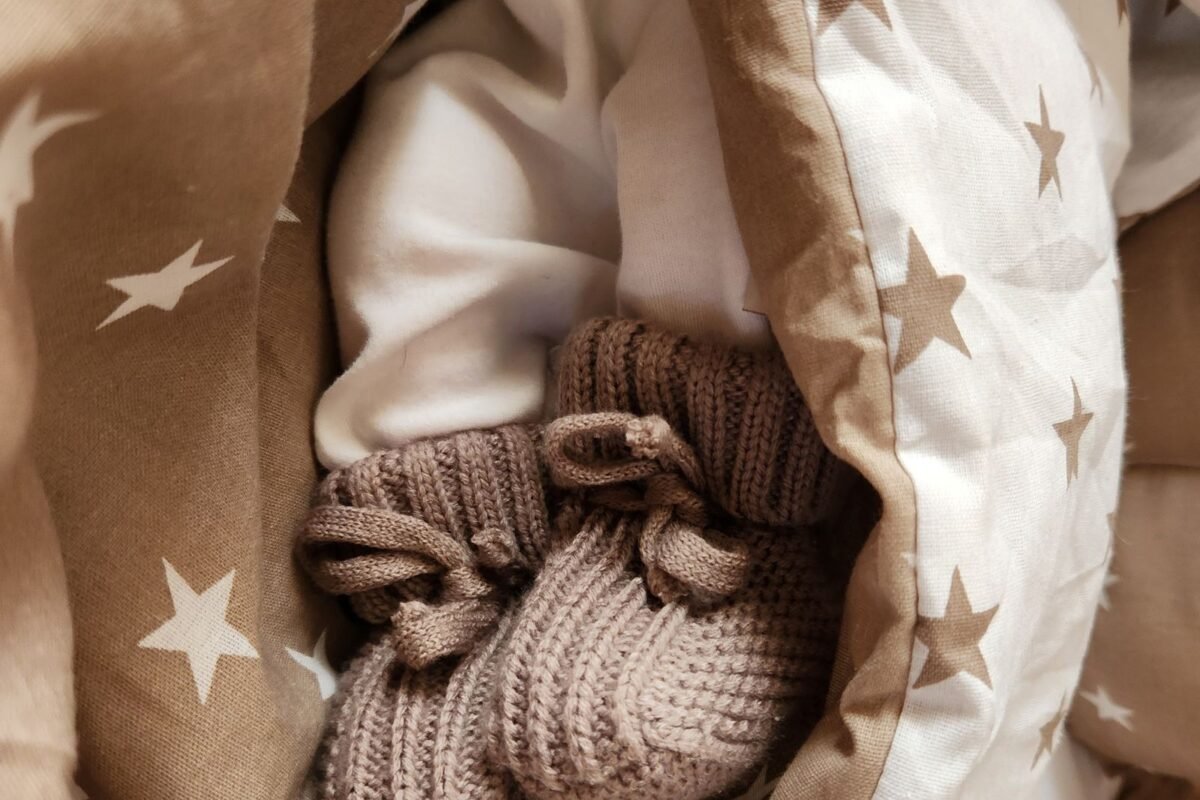
The Better Health Channel, reviewed by the Australian Podiatry Association, says the same for children learning to walk: bare feet or a soft soled shoe as much as possible, so the child can feel the ground and build muscle strength.
What the small parts rule actually says
Craft forums invoke the federal small parts choking ban against buttons on booties. That rule does cover products for children under three, but it explicitly excludes children’s clothing and accessories, naming buttons and shoe lace holders. The drawstring rule is the same story: it starts at size 2T and never reaches infant sizes. Both facts come from the Consumer Product Safety Commission’s own text.
None of that makes a long lace a good idea. The absence of a rule is not a safety finding. Sew buttons with yarn and a locked stitch rather than sewing thread, cut laces level with the cuff, and treat any crochet baby shoes free pattern as supervised wear. Nothing loose or removable belongs on a sleeping infant.
The crochet baby shoes free pattern
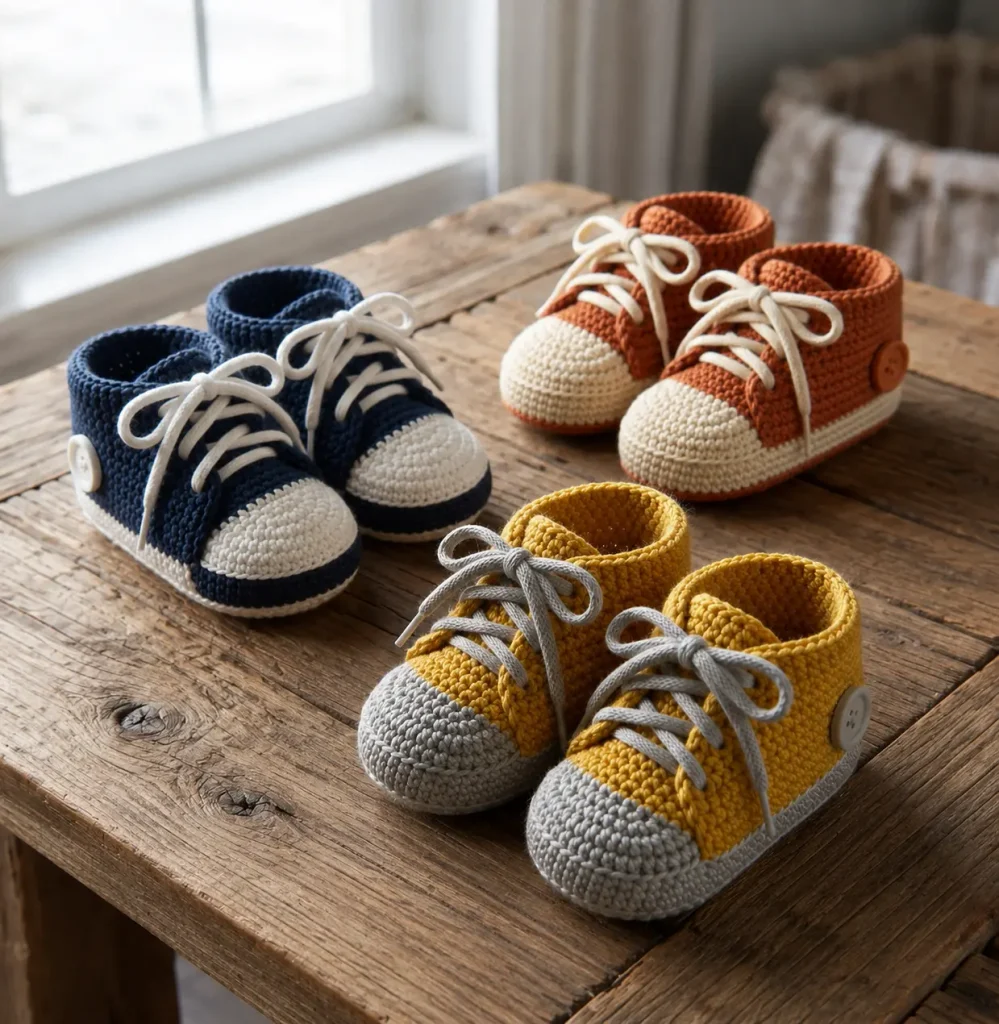
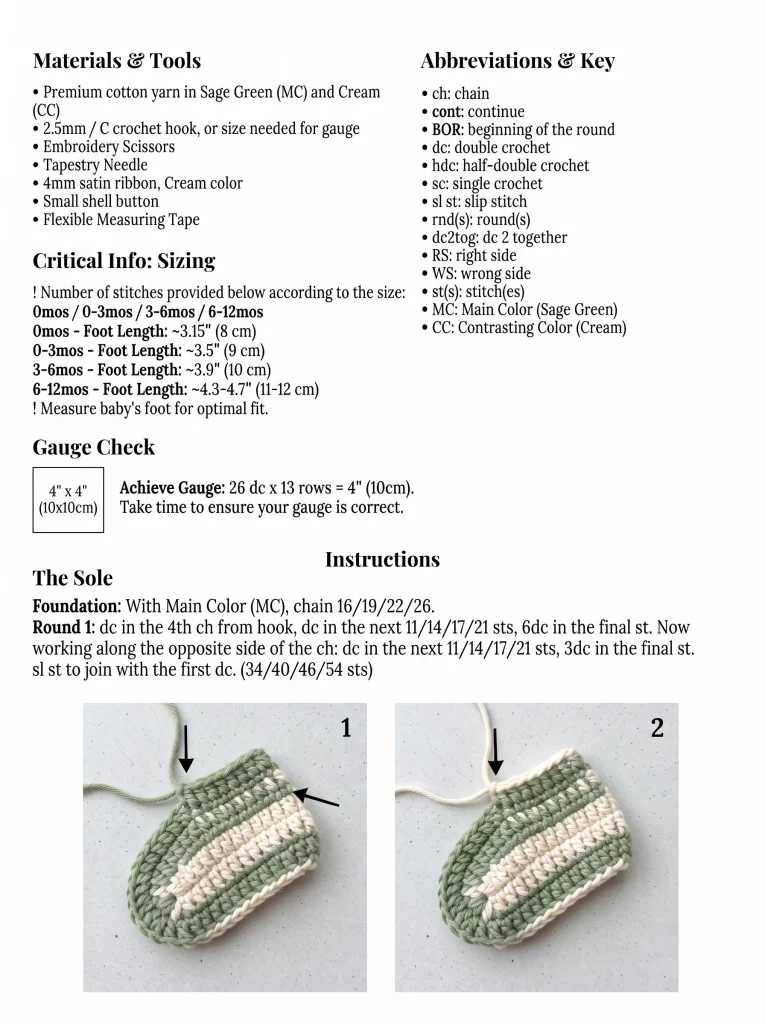
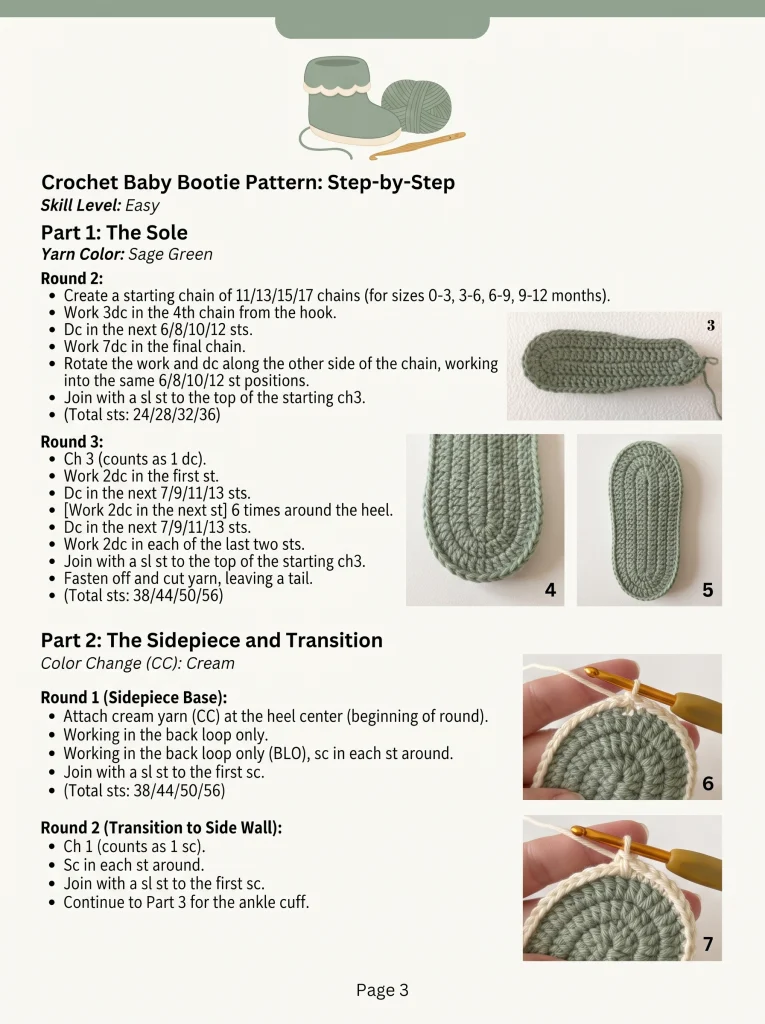
This crochet baby shoes free pattern is written for five sizes, newborn through twelve months, in the gauge and yarn above. Swatch and match the gauge first, because the chain sets the size.
Questions people ask
How much yarn does a crochet baby shoes free pattern need?
Two 50 g balls at 125 m each, so 250 m, about 273 yd converted. That covers a pair in two colours plus a swatch.
What size should I make for a shower gift?
Make 6 to 12 months. Newborn shoes are outgrown in weeks and are what everyone else brings. The published 12 month length of 4 9/16 in fits most of the first year.
Can I use acrylic instead of cotton?
Yes, and it costs less. Acrylic sheens after hot washing and is slippery, so a laced upper works loose faster. Go down a hook size and recheck the gauge.
Why does my crochet shoe flare out at the sides?
You worked the first round of the side into the tops of the sole stitches. Those tops sit on the widest edge, so the shape keeps growing outward. Work under the posts instead.
Are crochet shoes safe for a newborn?
For supervised wear, yes, and paediatric guidance favours soft footwear before walking. Keep laces level with the cuff, attach buttons with yarn and a locked stitch, and remove them for unsupervised sleep.
How do I measure a baby’s foot properly?
Stand the baby on paper, mark heel and longest toe, measure between the marks. Use the longer foot and add 0.5 cm. A measured foot beats every published average.
Is this crochet baby shoes free pattern suitable for beginners?
Yes, if you can work a chain, a double crochet and a decrease. The five pieces are simple alone, and only the gauge needs care. Work the largest size first if unsure.
Where to go next
- Baby Clothes for more wearables this size
- Sizes and Yarn for measurement and yardage guides
- Crochet Star Blanket to pair this crochet baby shoes free pattern with a blanket as a gift set
- Wheat Stitch Pumpkin for another small dense fabric project
Sources
- Craft Yarn Council, Standard Yarn Weight System, hook and gauge ranges.
- Kids footwear size and fit chart, foot lengths by age.
- Soft bottom shoe sizing chart, the chart whose columns disagree.
- Newborn foot length study, n=529, the newborn figure.
- HealthyChildren, shoes for active toddlers, shoes before walking.
- Better Health Channel, children’s feet and shoes, reviewed by the Australian Podiatry Association.
- 16 CFR 1501.3, small parts exclusions naming buttons.
- Scheepjes Catona and Anchor Creativa Fino, the 50 g and 125 m specification.